
What Is Demand Generation?

You’re always hunting for ways to boost your business, aren’t you? Well, demand generation might just be the game-changer you need. This guide explores demand generation’s what, why, and how, distinguishing it from lead generation and highlighting its benefits. Get ready to uncover strategies that could propel your business to

Matthew Stafford

Founder, BGS

12 min read

Table of Contents

You’re always hunting for ways to boost your business, aren’t you? Well, demand generation might just be the game-changer you need.

This guide explores demand generation’s what, why, and how, distinguishing it from lead generation and highlighting its benefits.

Get ready to uncover strategies that could propel your business to new heights.

So, are you ready to dive in?

What is demand generation?

Demand generation is a strategy focused on driving awareness and interest in a company’s products or services. It is part of a broader spectrum of inbound marketing, where you’re not just pushing your products onto potential customers, but you’re pulling them in with engaging content and valuable offers.

The primary goal of demand generation is to stimulate interest and create demand for what you’re selling. However, it doesn’t stop there. It also involves lead nurturing, helping potential customers move through the sales funnel at their own pace by providing them with the information and assistance they need at each stage.

Think of demand generation as a conversation. You’re not just talking at your audience, but you’re talking with them. It’s a two-way street where you listen to their needs, address their concerns, and offer solutions that truly benefit them.

Demand generation is not just a tactic but a holistic approach to marketing. It combines strategic planning, content creation, and customer engagement to not only draw in leads but also nurture them until they’re ready to become paying customers. It is an essential part of any successful marketing strategy.
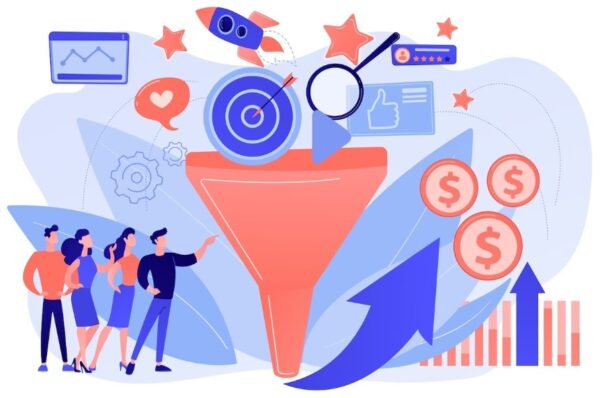
understanding what is lead nurturing before starting the lead generation process

How is demand generation different from lead generation?

You’re probably wondering how this process differs from lead generation, aren’t you? Well, the main difference lies in the focus. While lead generation targets the conversion of strangers into interested prospects, demand generation is focused on shaping the perception of your brand and its products or services.

Think of it like this: lead generation is like fishing with a net, hoping to catch whatever comes your way. On the other hand, demand generation is like using a fishing rod with a specific bait, aiming to attract a certain type of fish.

In demand generation, you’re not just getting any leads; you’re creating a demand for your product or service. You’re building relationships, fostering trust, and establishing your brand as a thought leader in your industry. This process involves targeted marketing strategies, including content marketing, social media, and events.

How to build a demand generation strategy

Building a successful strategy for increasing interest in your product or service isn’t just about attracting leads; it’s about fostering long-term relationships and establishing your brand as a leader in your industry.

Demand generation is the fuel that propels this strategy forward. It’s not a one-time event; it’s a continuous process that requires time, effort, and resources.

First, understand your target audience. What problems are they trying to solve? What motivates them? Use this information to create content that resonates with them and showcases your solutions. Remember, it’s not about hard selling; it’s about providing value.

Second, leverage multiple channels such as social media, email marketing, and SEO to distribute your content. Diversify your approach, and don’t rely solely on one method.

Third, measure your efforts. Use analytics tools to track engagement and conversions. This data will help you refine your strategy, optimizing what works and discarding what doesn’t.

Benefits of demand generation

Through a well-planned strategy, you’ll see numerous benefits, such as increased brand awareness, a steady stream of qualified leads, and a stronger relationship with your customers. Demand generation isn’t just a marketing buzzword; it’s a powerful strategy that can transform your business.

When you effectively implement demand generation, you’re not just attracting potential customers; you’re engaging them. This goes beyond a simple lead. These are people who are interested, invested, and more likely to convert into customers. It’s about building meaningful relationships that foster customer loyalty.

Let’s not forget about brand awareness. A successful demand generation strategy can skyrocket your brand’s visibility. You’ll be front and center in the minds of your target audience. This is invaluable, as it sets the stage for potential customers to choose you over your competition.

Lastly, a well-executed demand generation strategy provides you with a steady stream of qualified leads. These are individuals who have shown interest in your product or service and are more likely to make a purchase.

Final thoughts on demand generation

So, you now understand what demand generation is and how it differs from lead generation. You also know how to build a successful strategy.

You’re ready to reap the numerous benefits this tactic offers. Remember, the ultimate goal is driving growth and increasing your bottom line. Stay focused, and you’ll see your efforts pay off in spades.

Frequently Asked Questions

You’ll often use tools like email marketing software, customer relationship management systems, and analytics tools for demand generation. They’ll help you attract, track, and nurture leads to convert them into customers effectively.

Absolutely, demand generation can be successful for small businesses. It’s about creating awareness and interest in your products or services. With the right strategy, you’ll convert leads into customers, boosting your business growth.

Digital marketing significantly impacts demand generation. It boosts your brand’s visibility online, attracts potential customers, and nurtures them into buyers. It’s an effective tool to increase demand for your products or services.

You can measure and analyze demand generation by tracking key metrics like lead conversion rates, customer acquisition costs, and sales revenue. Use analytics tools to gauge these figures and optimize your strategies accordingly.

Content marketing plays a crucial role in demand generation. It’s your tool to attract, educate, and engage potential customers, thus driving them towards purchase. You’re creating valuable content that sparks interest and builds trust.

Get Profit-Compounding Insights

Actionable ecommerce insights to help you scale smarter and increase profit—sent only when they’re truly worth sending.

No spam. Unsubscribe anytime.

Most Popular

Ready to Compound?

Discover your #1 growth constraint in 15 minutes

Frequently Asked Questions

How long does it take to build profit-compounding infrastructure?

For most brands, we install the foundational infrastructure in 6-12 months. However, you’ll see measurable improvements within the first 90 days as we address your primary constraint. The key is that infrastructure continues to compound—the longer it’s in place, the more powerful it becomes.

Agencies execute tactics. We build systems. Agencies optimize campaigns. We install infrastructure. When an agency leaves, performance often craters. When our infrastructure is in place, your growth becomes self-sustaining. We embed operators who become part of your team, not external vendors managing you from a distance.

Our ideal clients are typically doing $2M-$50M in annual revenue. Below $2M, you’re often better served focusing on product-market fit and basic execution. Above that threshold, infrastructure becomes the primary growth lever. That said, every business is different—take our free diagnostic to see if we’re a fit.

Perfect. We don’t replace your team—we make them dramatically more effective. Our infrastructure integrates with your existing operations, adding the systems, data, and frameworks that turn good operators into exceptional ones. Many of our best results come from brands who already had talented teams but lacked the infrastructure to compound their efforts.

Take our 15-minute diagnostic. It identifies your #1 constraint—whether that’s infrastructure, execution, or something else. If you can’t predict revenue within 30%, if growth feels like gambling, or if you’re constantly firefighting instead of building, infrastructure is likely your constraint.

Continue Learning

More profit-compounding insights to accelerate your growth

Listen to the episode: In this powerful episode on The Edward Show, host Edward Sturm speaks with Matt Stafford, Managing Partner at Build Grow Scale, as he shares quick, actionable, and proven conversion rate optimization (CRO) hacks drawn from his decade-long experience helping hundreds of online businesses significantly boost revenue. Matt emphasizes simple but powerful […]

Listen to the episode: In this episode of the eCommerce Marketing Podcast, host Arlen Robinson has an insightful conversation with Matthew Stafford, CEO and Managing Partner of Build Grow Scale. Matthew draws on decades of entrepreneurial expertise, sharing proven strategies to significantly increase eCommerce sales through powerful, psychology-driven optimization techniques. He reveals practical insights gained […]

Listen to the episode: In this episode of the Sales Pop podcast, host John Golden speaks with Matthew Stafford, Managing Partner at Build Grow Scale, as he shares proven strategies for growing and scaling eCommerce brands by enhancing customer experience and maximizing conversions. Matthew’s extensive entrepreneurial background – spanning traditional businesses, SaaS ventures, and eCommerce […]

Stop Treating Growth Like a Gamble

Install Your Profit-Compounding Engine

Take our 15-minute diagnostic call and discover the exact constraint blocking your compounding growth right now.

Free diagnostic call

15-minute clarity

No credit card