

When users visit your ecommerce store, they expect to be able to navigate smoothly from one point to another and easily find the product(s) they want to buy. But even if you design your store to be intuitive, there’s a good chance you have overlooked a whole bunch of things that will make your customers think twice or even abandon shopping. This is where user testing comes in.
Benefits of User Testing
User testing allows you to identify usability issues with your store, like friction, clarity, trust, bugs, and the like—all of which affect your store’s user experience (aka “UX”). So, let’s get into some of the specifics!
1. Get feedback from real users
Running a user test gives you the opportunity to see how users view and interact with your store. As users navigate through the different pages and speak out loud, they tend to mention problems they encounter, how some elements of the store confuse them, or what questions they have in mind. When you gather feedback from these users, you’ll be able to say goodbye to assumptions because you’ll have real-life scenarios to show you what’s actually happening.

2. Uncover how easy it is for users to complete their tasks
By looking at the different tasks assigned to user testers, you can see how easily tasks can be completed and/or what hurdles users face. Seeing the user’s journey in completing these tasks allows you to determine what kind of questions or doubts they have about your store. Here you can find out if there are issues with clarity or trust that cause them to question the authenticity of buying from you, or even what’s causing the cognitive load while shopping, resulting in them having to stop and think.
3. Discover potential problems
Conducting user testing lets you pinpoint the real-world flows and challenges users encounter, either via them speaking their thought patterns aloud or by seeing the problems they encounter while performing UT tasks. Most of the time, developers and store owners overlook these issues because they think their store already has everything it needs … but when you see things from the user’s point of view, it can open up new possibilities and solutions for improving your store’s user experience.
4. Cut down on development time and costs
It is usually very expensive and time-consuming to fix your site, so the last thing you want to do is spend time and money fixing something that isn’t broken—yet another reason why user testing is so important. When you do user testing and uncover the problems users are actually encountering, it’s a lot easier for your developer to fix them because you know exactly what and where the disconnect or obstacle is … which saves development time and costs, both for the developer and the business owner.
5. Design for the user
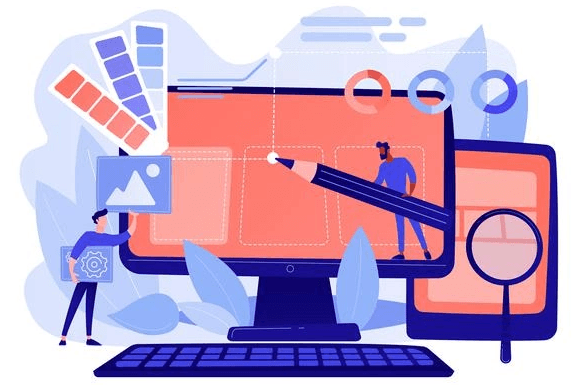
There are some issues that you, as an ecommerce store owner or a developer, may not see or even realize are a problem. What we do not realize is that the person who is supposed to use and interact with our creation, acts and thinks differently than we do. User testing helps us design for the end-user and ensure that their experience comes first. It’s important to focus on functionality (i.e., how easy it is for people to navigate your store and complete checkout), not aesthetics.
What to Expect
So, you’ve conducted user testing on your store and fixed all the usability issues identified while doing so. Now what? (This is the fun part.)
1. Boost in your store’s conversion rate
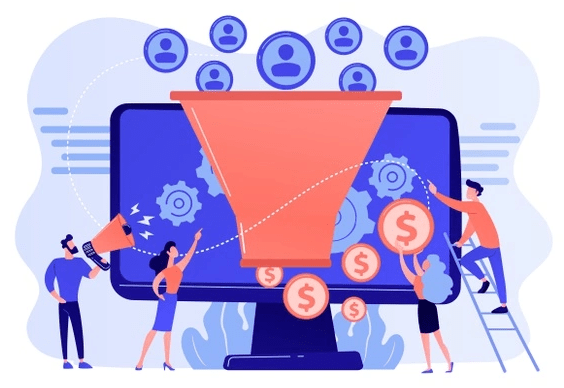
Once you’ve made the necessary changes indicated by your user testing results, you can be sure that your store’s conversion rate will increase. Why? It’s simple: you have now created a better shopping experience for the end user. You’ve solved the problems of clarity and trust and eliminated or improved the cognitive issues that were present. As a result, your users now have an unobstructed path to follow during their shopping experience, helping them reach their destination faster, and increasing conversion rates.
2. Increased customer satisfaction
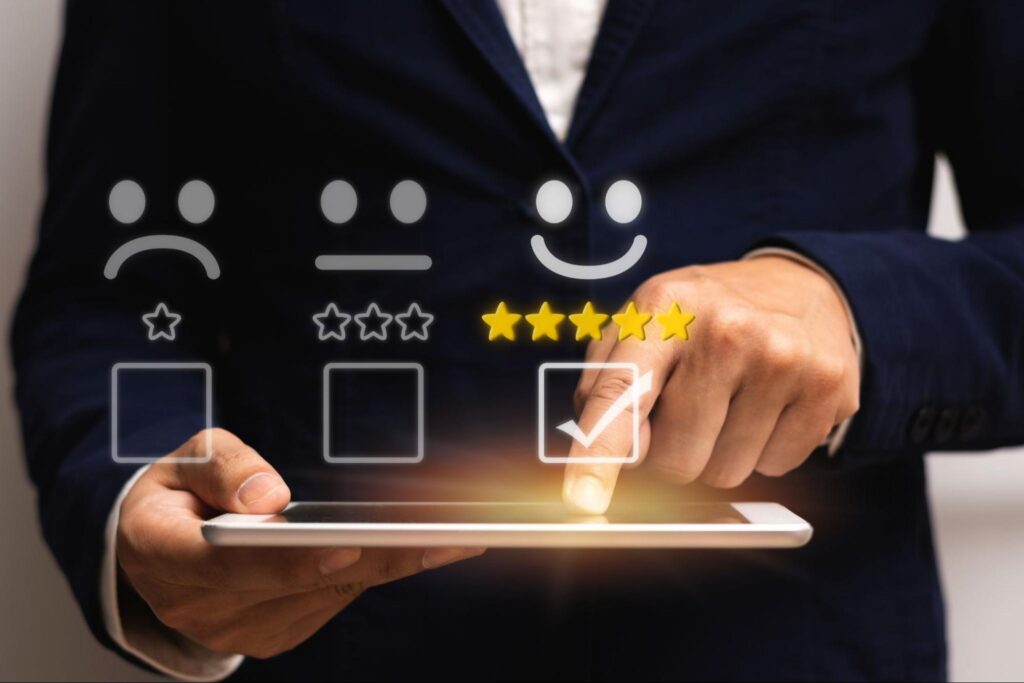
Now that you’ve improved your store’s UX, customers will be able to shop more easily and confidently. You’ve removed obstacles, addressed objections, and shown that you care about their needs and questions. This all creates trust … And the more people trust you, the more likely they are to buy from you!
Tip: If you want to know how satisfied your customers truly are, check out the feedback they receive through live support or email.
3. Guaranteed customer retention
Having satisfied customers gives an ecommerce business owner the joy of knowing their customers are there to stay, and that they will shop with you again in the future. It’s true when people say, “If you take care of me, I’ll take care of you.”

Conclusion
Your customers are valuable. After all, you wouldn’t be here if it weren’t for them. So, they must be taken care of with the utmost care and diligence. As an ecom store owner, you need to create and design a user experience that makes your customers feel you’ve gone the extra mile to give them the best shopping experience possible. Run user tests from time to time and use the data to make informed changes that will improve your store’s UX and increase your conversion rate (while saving you a lot of time).


